
How Do You Know When It’s Time to Move?

Your home may have served you beautifully for years, and you may be starting to feel that your life wants something different now. Maybe your family has grown, the house feels too large to maintain, your commute has become draining, or you want to be closer to the people and places that matter most to you.
The decision to move is rarely based on one factor. It usually develops over time as you notice how your home fits your routines, finances, relationships, energy, and plans for the future. A house can still be functional and familiar while no longer feeling like the best fit for the life you're living now.
A useful place to begin is with one question: If you were choosing a home for your life today, would you choose the one you're living in now?
Your answer may help bring the rest of the picture into focus.
How Do You Know When It's Time to Move?
There is no universal sign that tells every homeowner when it's time to move. The answer becomes clearer when you look at how well your home supports your life today and how well it is likely to support the life you're building over the next several years.
Space, maintenance, location, accessibility, housing costs, and lifestyle all matter. So does the amount of energy you are spending trying to make the house work for needs that may have changed.
Here are 7 signs worth considering.
1. Your Home No Longer Fits Your Family
A home that once felt perfect can begin to feel very different as life changes. Growing families may need more bedrooms, more storage, a dedicated office, or additional living space. Empty nesters may find themselves maintaining rooms they rarely use and questioning whether they still want the responsibility of a larger property.
The most useful question is how often you are adjusting your daily life around the limitations of the house. If everyone is constantly competing for space, working from the dining room table, storing belongings in every available corner, or avoiding parts of the home because they no longer serve a purpose, a different property may create a better fit.
For homeowners with more space than they need, the conversation may be less about size and more about simplicity. A smaller home can reduce maintenance and create more freedom without requiring you to give up the things you value most.
2. Maintaining the Home Is Taking More Than You Want to Give
Every home requires care, but the amount of time, money, and energy you want to devote to that care can change.
A large yard, older systems, a pool, multiple outbuildings, or a long list of ongoing projects may have been manageable or even enjoyable at one stage of life. Over time, those same responsibilities can begin to shape weekends, budgets, and plans in ways that feel less appealing.
If you find yourself spending more time maintaining the property than enjoying it, that may be a sign that a different type of home would support you better. A newer property, condominium, smaller lot, or more manageable footprint can free up time and resources for travel, family, hobbies, work, or simply having fewer things to take care of.
3. The Location No Longer Matches Your Daily Life
Location has a major influence on how a home feels, even when the property itself still works.
Your job may have changed, your children may attend school somewhere else, or the people you spend the most time with may now live farther away. You may also find yourself wanting a different kind of environment than you did when you bought the home.
Perhaps walkability matters more now. Maybe you want to be closer to restaurants, the water, your adult children, your grandchildren, or your office. You may want more land, less traffic, a shorter commute, or easier access to the communities where you already spend your time.
Pay attention to the places you travel to most often. If much of your life is happening somewhere other than where you live, it may be worth exploring whether home could be closer to the life you already want.
4. Your Housing Costs Are Competing With Other Priorities
Housing expenses extend far beyond the mortgage. Property taxes, insurance, utilities, maintenance, repairs, condo fees, and the cost of keeping up a larger property all contribute to the true cost of ownership.
As financial priorities change, homeowners often begin to reconsider how much of their income and equity they want tied to the house. You may be approaching retirement, hoping to travel more, wanting to reduce monthly expenses, or thinking about how your equity could support another goal.
Understanding what your home is worth today and how much equity you may have accumulated can make this conversation much more concrete. Once you know the numbers, you can begin comparing the cost of staying with the possibilities that selling could create.
5. Accessibility Is Becoming Part of the Conversation
Many homeowners begin thinking about accessibility long before they actually need to make a change. Stairs, basement laundry, narrow bathrooms, multiple levels, and exterior steps may all influence how well a home will continue to work over time.
Planning earlier gives you the ability to explore options without pressure. You can look at single-level homes, first-floor primary suites, condominiums, 55+ communities, or properties that could support aging in place more comfortably.
That extra time also allows you to think carefully about location, budget, amenities, and the kind of community you want, rather than making a move because the current house has suddenly become difficult to manage.
6. Your Priorities Have Evolved
Homes hold a great deal of history. You may have raised your children there, hosted years of holidays around the same table, built relationships with neighbors, and celebrated milestones in rooms that now carry decades of memories.
Those experiences become part of your family's story, and they can make the idea of moving feel significant even when you know your priorities have changed.
You may now want a quieter home with less maintenance, a more social community, more land, city life, proximity to family, or simply a space that feels better suited to the next phase of your life. The fact that a home has been meaningful does not prevent you from imagining what else might serve you well now.
7. You Keep Wondering What Else Is Possible
Persistent curiosity can be useful information.
You may find yourself looking at homes in another neighborhood, checking what properties are selling for, wondering what your own home might be worth, or imagining what life could feel like with a different commute, different amount of space, or different surroundings.
Exploring those questions does not mean you are committing to move. It may simply mean you are ready to understand your options more clearly.
Once you know what your current home may be worth, what your buying power looks like, and what is available in the communities you're considering, the decision often becomes easier to evaluate.
Should You Renovate Your Current Home or Move?
Renovating can make a great deal of sense when you love the location and the changes you need are realistic within the existing property.
Begin by identifying what you want the renovation to accomplish. Maybe you need more space, a better layout, an accessible bathroom, a first-floor bedroom, or a more functional kitchen. Then consider the full investment, including cost, disruption, timeline, and how long you expect to remain in the home afterward.
It is also important to consider what the renovation cannot change. A major addition will not shorten your commute, reduce the size of the lot, bring you closer to family, or change the character of the neighborhood.
If the concerns you have are mainly about the house itself, renovation may solve them beautifully. If the bigger issue is location, lifestyle, maintenance, or the type of community you want to live in, exploring a move may provide more clarity before you commit to a major project.
What If You Want to Move but Don't Know Where You'd Go?
This is one of the most common reasons homeowners hesitate.
You may know that your current home is no longer the best fit and still have no clear picture of what should come next. That uncertainty can make the whole idea of moving feel much more complicated than it needs to be.
The next step can begin with information rather than a listing date. We can help you understand what your current home might realistically sell for, estimate how much equity you could have available, explore what you could comfortably spend on the next home, and look at communities that offer the lifestyle you're hoping to create.
We can also talk through how the timing might work if you need to sell and buy. Depending on your finances, equity, risk tolerance, and current market conditions, there may be several ways to structure the transition.
You do not need to have the destination figured out before you begin exploring the route.
Should You Sell Your House Now or Wait?
Your timing should reflect the full picture, including the market, your finances, your daily life, and the future you are planning.
If your home continues to support your needs and you are happy there, staying may feel completely right. If the idea of moving has been following you for months or years, learning what the current market could make possible may help you determine whether this is the right time to act.
The goal is not to identify a perfect moment. It is to gather enough information to understand whether moving would improve your life and make financial sense.
That is a much more useful decision than trying to guess what the housing market may look like a year from now.
You Can Explore a Move Before You Decide to Make One
A conversation with a real estate professional does not have to begin with a listing agreement.
You can learn what your home may be worth, explore neighborhoods, look at available properties, talk with a lender about buying power, and understand how a sale and purchase could work together before making a final decision.
You can also have us walk through your home and discuss what we would recommend preparing if you eventually decide to sell. That can be especially helpful before you invest in repairs, renovations, or other projects that may not be necessary.
The purpose of that early conversation is clarity. You may gather all of the information and realize that staying is exactly what you want. You may also discover that a move you assumed would be difficult is more achievable than you expected.
Either result gives you more confidence in what comes next.
Your Home Can Continue to Be Part of Your Story
A home can hold years of meaning and still be part of a life that is evolving.
You can appreciate everything the home has given you while also thinking carefully about what you want your environment to provide now. That may be more simplicity, more connection, more space, easier maintenance, a different community, or greater financial flexibility.
You do not need to have the whole answer before you begin exploring. Understanding what your current home is worth and what other possibilities exist can be enough to start bringing the decision into focus.
Thinking About Your Next Move in Rhode Island or Nearby Massachusetts?
The Sarji Team helps homeowners throughout Rhode Island, the Blackstone Valley, and Greater Attleboro understand their options before making a move.
We can help you understand your home's current market position, explore what your equity could make possible, look at homes and communities that better fit your next chapter, and create a strategy for buying and selling when the timing makes sense.
You don't have to decide to move before you start exploring what moving could make possible.
Contact The Sarji Team at Gold Door Realty to start the conversation.
Frequently Asked Questions About Knowing When It's Time to Move
How do I know if it's time to sell my house?
Consider how well your home supports your current lifestyle and future plans. Space, maintenance, location, accessibility, housing costs, and financial goals can all help clarify whether moving is worth exploring.
Should I renovate my house or move?
Start with the problem you want to solve. If renovations can meaningfully improve how the home functions and you still love the location, staying may make sense. Compare renovation costs, expected time in the home, resale impact, and lifestyle goals before making the decision.
When should I consider downsizing?
Downsizing may be worth exploring when unused space, maintenance demands, accessibility, or housing costs begin to affect how you want to live. Starting the conversation early usually gives you more control over timing and more options for where you go next.
Can I find out what my home is worth before deciding to sell?
Yes. A real estate professional can prepare a comparative market analysis and discuss your home's likely position in the current market without requiring you to put the property up for sale.
How do I buy another house while selling my current home?
The best sequence depends on your equity, financing, current market conditions, risk tolerance, and available inventory. Planning both sides of the move early can help identify whether selling first, buying first, or coordinating the transactions makes the most sense.
Is it worth moving if my current house is paid off?
That depends on your goals. A paid-off home can provide significant financial flexibility, while selling may also allow you to unlock equity, reduce maintenance, change locations, or choose a home that better supports the way you want to live.
About The Sarji Team
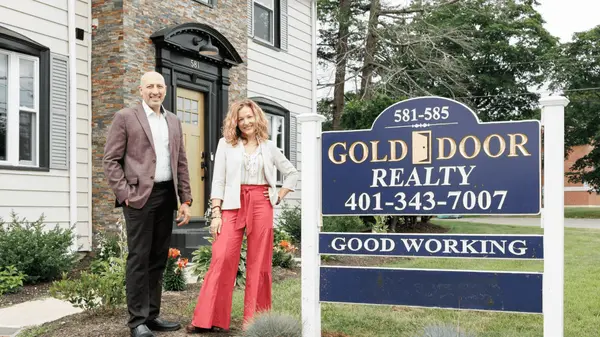
Ashley and Kamil Sarji | The Sarji Team at Gold Door Realty
The Sarji Team is a husband-and-wife real estate team helping buyers, sellers and investors navigate real estate throughout Rhode Island and nearby Massachusetts and Connecticut. With decades of combined experience in real estate, investing, business and client service, Ashley and Kamil bring a thoughtful, strategic approach to every move.
Ashley Sarji is a REALTOR® with professional designations including ABR®, SRES®, SRS, PSA and C2EX. Kamil Sarji is a REALTOR® and the Broker/Owner of Gold Door Realty. Together, they help clients understand their options, prepare thoughtfully and make confident real estate decisions based on their goals, timing and the realities of the local market.
The Sarji Team at Gold Door Realty
Licensed in RI, MA & CT
Categories
Recent Posts








GET MORE INFORMATION